
Interior painting
Choosing the Right Paint Finish for Your Home
By C & M Painting · Nashville & Middle Tennessee
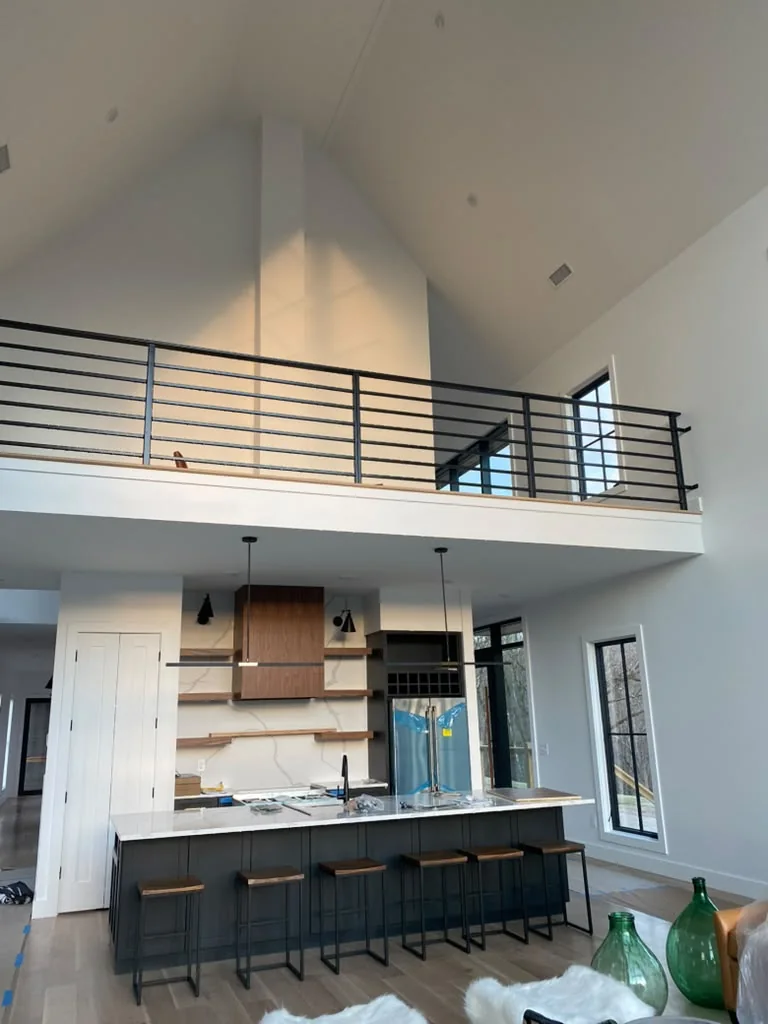
You can pick the right paint color and still end up with walls that look different than you expected. Sometimes the difference is the finish. A wall with a soft, low sheen looks quite different from one that catches the light every time you walk past it.
Before choosing flat, eggshell, satin, or semi-gloss, think about the surface you're painting, how often it gets cleaned, and whether it has patches or uneven spots. You don't need the same finish throughout the house.
What paint sheen actually changes
Sheen describes how much light the painted surface reflects. Lower-sheen finishes look quieter. Higher-sheen finishes have a more noticeable shine, especially where daylight falls across a wall.
The name on the can is only part of the decision. Washability and wear depend on the particular paint, too. A washable matte wall paint and a basic flat ceiling paint may behave very differently, even though neither looks especially shiny.
Flat and matte for a softer look
Flat is a common choice for ceilings, where a reflective finish can draw attention to seams and uneven areas. Matte is also worth considering for walls when you prefer very little shine.
Low sheen can make small imperfections less noticeable, but it won't hide a raised patch or repair a rough wall. If you're choosing paint for a spot that needs regular wiping, check the product's cleaning instructions rather than assuming every flat or matte finish will clean the same way.
Eggshell and satin for everyday rooms
Eggshell has a little shine without looking glossy. It's a useful starting point for bedrooms and living spaces. Satin generally reflects more light and is often considered for busy areas, doors, or trim.
Picture the hallway beside the garage or the wall behind a kitchen chair. Those areas get touched more than a guest bedroom wall. Look for a product suited to that kind of use, then choose the amount of shine you like. In bathrooms, suitability for humid conditions matters alongside the finish.
Semi-gloss for doors and trim
Semi-gloss gives baseboards, door frames, and other woodwork a more defined finish. It can look good against quieter walls, though the reflection also makes sanding marks, dents, and uneven preparation easier to see.
You aren't required to use semi-gloss on every piece of trim. Satin can be an option if you prefer less contrast. The coating still needs to be appropriate for the surface and the wear it will receive.
Look at a sample in your own light
Check the proposed color and finish near a window and under your evening lights. If the sample paint comes in a different sheen from the final product, it won't show you the exact finished appearance.
Before buying, settle on the product as well as the color and sheen. Keep that information afterward. It makes future maintenance easier, although an older wall may still show a touch-up because of fading, application differences, or changes in sheen.
Further reading