
Exterior painting
Signs Your Home's Exterior Needs Repainting
By C & M Painting · Nashville & Middle Tennessee
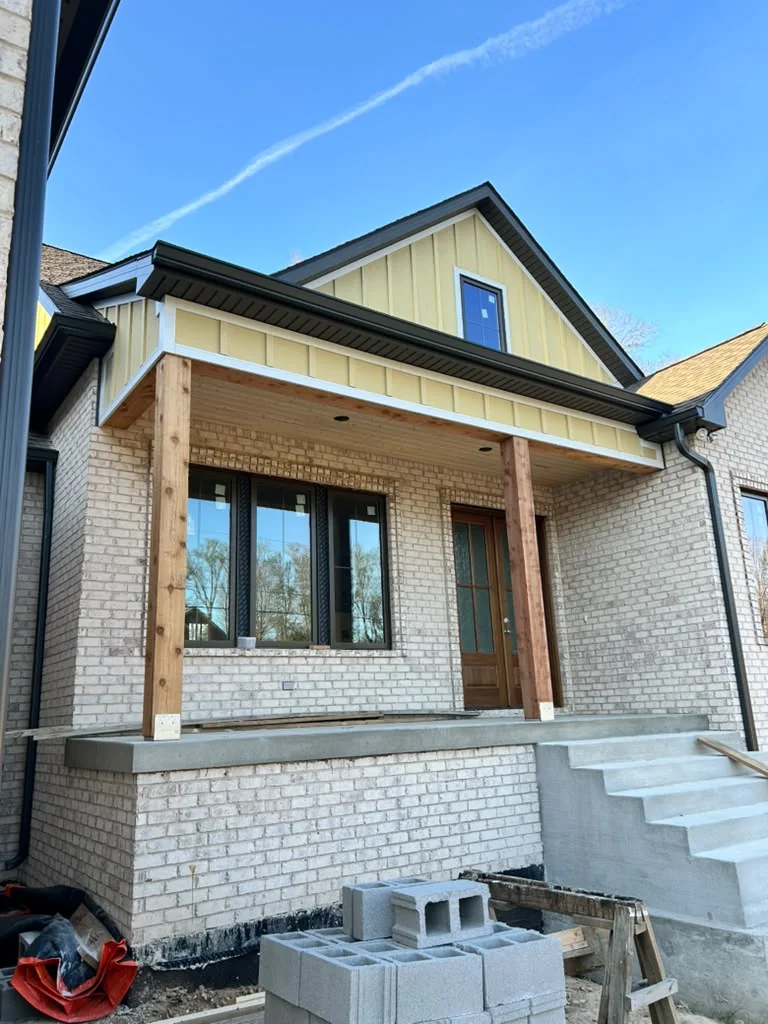
You don't have to wait until paint is falling off the siding to think about repainting. A walk around the house can help you spot worn areas while the preparation is still manageable.
Look at the condition of each surface rather than relying on the year it was last painted. A shaded porch and a wall in direct sun don't weather in quite the same way. Here are a few things worth checking.
Peeling or flaking deserves a closer look
Loose paint needs attention before another coat goes on. Painting over a failing layer leaves the new finish attached to something that is already coming away.
The cause matters. Moisture, poor adhesion, and inadequate preparation can contribute to peeling. If one section keeps failing, especially around a window or near a gutter, investigate the water source or surface problem before treating it as an ordinary repaint.
Fading is a reason to inspect, not a deadline
An exposed wall may lose color sooner than a sheltered one. Compare different sides of the house and look at the trim as well as the main siding.
Fading alone doesn't tell you that the coating has stopped protecting the surface. If the paint is still sound, repainting may be mainly an appearance decision. If fading comes with cracking, bare spots, or widespread wear, there's more preparation to discuss.
Notice powdery residue and surface dirt
A powdery residue on painted siding may be chalking as the coating weathers. Dirt and other deposits can look similar, so don't decide on a treatment from one quick glance.
A new coating needs a properly prepared surface. Have the residue identified and follow the selected paint system's cleaning and priming requirements. Covering it without preparation can leave an adhesion problem underneath fresh paint.
Check joints, trim, and bare wood
Open joints and cracked caulk are worth checking, particularly where trim meets siding or around openings. Not every gap should be sealed, though. Drainage openings and the siding manufacturer's installation details need to be respected.
Bare wood, dark staining, and soft areas need assessment. Paint can cover a sound repair, but it won't correct rot or an ongoing leak. Sorting out those repairs first gives you a clearer scope for the painting work.
Decide whether you need a repair or a full repaint
One damaged trim board doesn't automatically mean every wall needs painting. A local repair may be reasonable when the surrounding finish is sound, although matching an older color and sheen can be difficult.
When wear is widespread, ask for an estimate that explains cleaning, repairs, removal of loose paint, priming, and finish coats. For a Middle Tennessee project, scheduling should also account for rain, surface moisture, and the coating's temperature requirements. The preparation and conditions matter as much as the color you choose.